Master Your Portfolio: Effective Risk Management Strategies for Active Traders
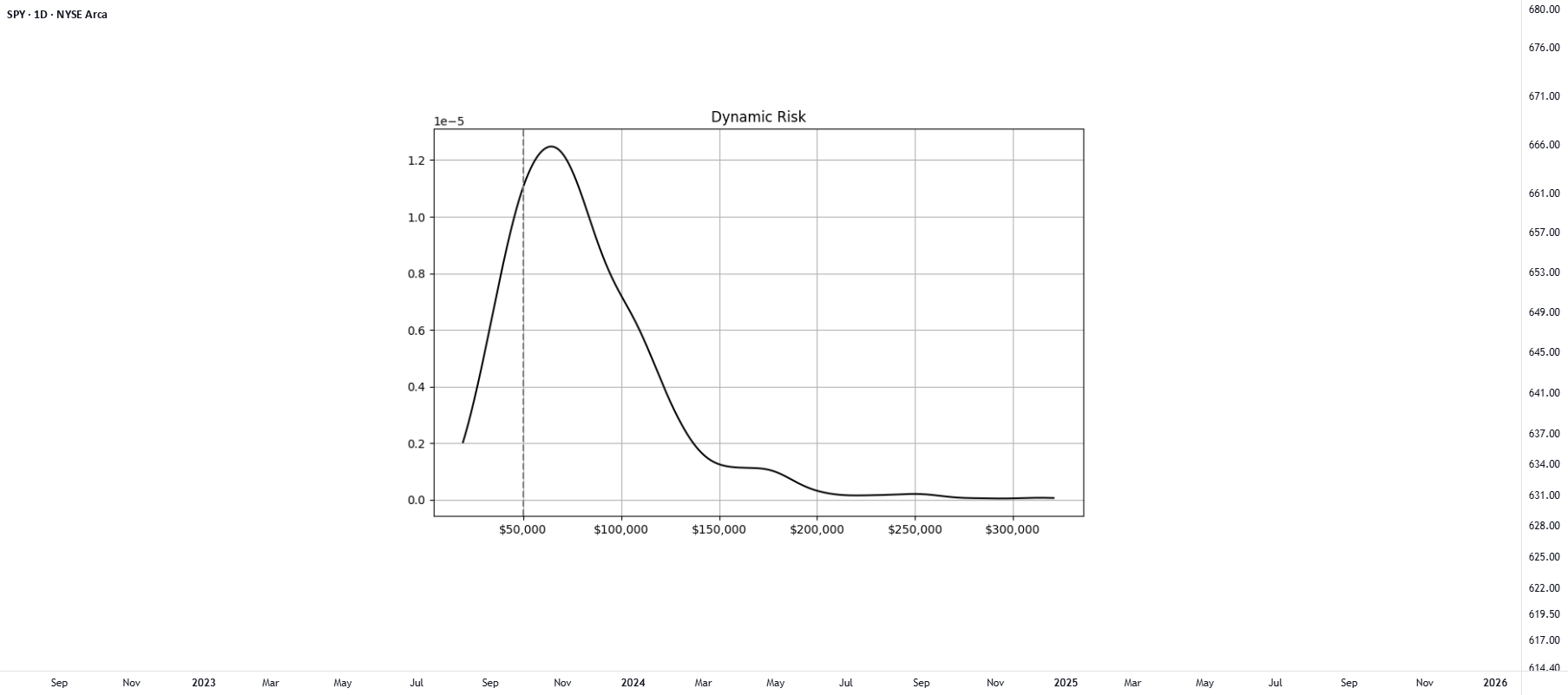
Image source: Position Sizing and Risk Management for AMEX:SPY by StockLeave
Portfolio risk management for active traders is about controlling three layers of risk at once: each trade, the whole portfolio, and the drawdown path. The most practical framework is to cap risk per trade, limit total “portfolio heat,” and diversify across positions with low correlation so one bad market move does not sink the account. 1, 2, 3
Core framework
For active traders, risk management starts with position sizing. A common rule is to risk about 1–2% of trading capital on any single trade, which keeps a losing streak from becoming catastrophic. At the portfolio level, you also want a hard cap on the sum of all open-risk exposures, because five small risks can become one large loss if they all fail together. 3, 4, 5, 1

Position sizing
Position sizing is the foundation because it converts your thesis into a fixed dollar risk. If your stop-loss is wider, your position should be smaller; if your stop is tighter, you can take a larger position while keeping the same dollar loss limit. This is why many active traders use “equalized risk per trade,” rather than allocating the same dollar amount to every trade. 6, 1
A simple formula is: position size = dollar risk divided by entry price minus stop price. That keeps the risk constant even when volatility changes across instruments. 2, 6
Portfolio exposure
Beyond single-trade risk, active traders need to manage aggregate exposure. “Portfolio heat” is the combined amount you could lose if all current positions hit their stops, and it helps prevent overloading the account with too many simultaneous bets. Daily loss limits and max drawdown rules add another safety layer by forcing you to step back before losses snowball. 5, 7, 8, 3
A useful habit is to treat correlated positions as a single risk cluster. If you are long several assets that tend to move together, your real exposure is higher than the number of trades suggests. 9, 2
Correlation and diversification
Diversification matters for active traders, but only when the positions actually behave differently. Portfolio volatility depends not just on the volatility of each asset, but also on how those assets move together, which is why correlation is central to portfolio risk. Low-correlation positions can reduce total portfolio volatility even if individual assets are themselves volatile. 10, 2
This is especially important in stressed markets, when correlations often rise and diversification benefits shrink. That means traders should review correlations regularly instead of assuming yesterday’s diversification still holds today. 11, 12, 9
Drawdown control
Drawdown control is the difference between surviving and blowing up. A good rule is to predefine a maximum acceptable drawdown, then reduce size or stop trading once you approach it. Many traders also use a daily loss cap so a bad session cannot turn into a bad week. 7, 8, 13, 14
The key idea is that your account should be designed to withstand a losing streak without forcing emotional decisions. Active traders usually do best when they think in terms of probability and sample size, not any single trade outcome. 14, 6
Practical rules
- Risk 1–2% per trade, or less if your strategy has lower win rate or higher variance. 4, 1
- Keep total open risk under a firm portfolio heat limit. 3, 5
- Use stop-losses based on market structure and volatility, not arbitrary price points. 1, 6
- Avoid clustering too many highly correlated positions. 2, 9
- Set a daily loss limit and a max drawdown threshold before trading starts. 8, 7
Example setup
A trader with a 100,000 account might risk 1,000 per trade, cap total open risk at 3,000 to 5,000, and stop trading for the day after a 2,000 loss. If three positions are all tied to the same sector, they should be treated as one bigger bet rather than three separate risks. 9, 1, 3
One useful mental model is that trade risk is the engine, but portfolio risk is the steering wheel: you can have good entries and still wreck the account if the aggregate exposure is poorly controlled. 14, 3
References
-
8 Risk Management Tips Every Active Trader Must Know - Trade Ideas
-
Volatility - Definition, Example, Measuring Risk - Financial Edge
-
Portfolio Heat: How to Measure and Control Your Total Account Risk
-
Position Sizing and Risk Management for AMEX:SPY by StockLeave
-
Maximum Drawdown - Largest Peak-to-Trough Drop | JournalPlus
-
Setting a Maximum Daily Loss When Day Trading (so a single day …
-
Multi-Asset Portfolio Construction for Traders: Complete Guide
-
Protecting Portfolios Using Correlation Diversification - Investopedia
-
Daily loss limit and risk management : r/FuturesTrading - Reddit
-
Risk Management for Traders: Protect Your Investments Effectively
-
How to Visualize Your Portfolio Risk - Volatility & Correlation - Reddit
-
Trading Risk Management: Position Sizing, Drawdowns & Capital …
-
Three Effective Forex Position Sizing Methods: Max. Drawdown …
-
[PDF] Managing position size depending on asset price characteristics
-
Ultimate Guide to Drawdown Control for Traders - TradersYard
-
Risk Management for Day Trading- Trade to Survive, Not Just to Win