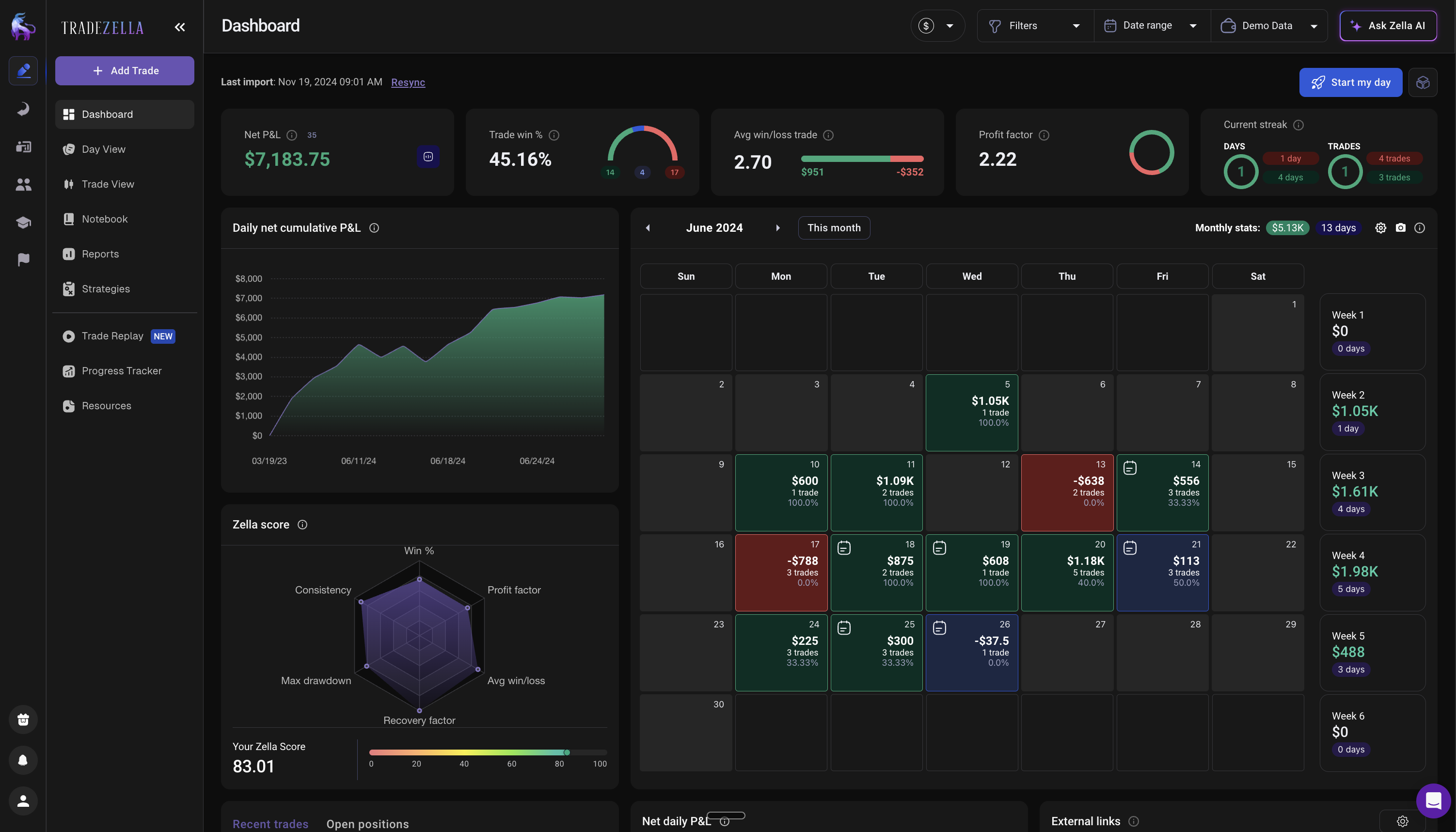
Master Your Trades: The Essential Guide to Building a Trading Journal
Image source: The Complete Guide to Keeping a Trading Journal in 2026
A good trading journal doesn’t just log wins and losses—it tracks the reasons behind them, so you can systematically improve your edge. Below is a practical framework you can use, followed by a simple Mermaid flow to show how entries and reviews connect. 1, 2
What a trading journal should track
-
Trade mechanics (quantitative)
- Asset, date, time, direction, size
- Entry / exit prices, slippage, fees
- Stop‑loss and take‑profit levels
- Risk per trade (e.g., 1% of account)
- P&L, risk‑reward ratio, duration
-
Strategy context (qualitative)
- Setup type (e.g., breakout, pullback, mean‑reversion)
- Market condition (trend, range, volatility)
- Key levels, catalysts, or news
- Whether you followed your rules or “bent” them
-
Process & psychology
- Pre‑trade checklist completion
- Emotional state before/during (e.g., calm, anxious, FOMO, revenge)
- Quality of execution (entry timing, exit timing, overtrading, disorderly exits)
- Lessons learned and one concrete improvement
Simple journal workflow (Mermaid)
The core loop is: plan → trade → journal → review → update rules. Here’s that as a Mermaid flow:

- A → B: Before you enter, write the plan; after the trade, capture what actually happened.
- C: One entry per trade, mixing numbers and narrative.
- D–E: Periodically aggregate trades by setup, market condition, and behavior to find what works (and what doesn’t).
- F: Use those insights to tighten rules, kill bad habits, or double‑down on high‑quality edges.
How to keep it sustainable
- Reduce friction: Use a single template (spreadsheet, Notion, or dedicated app) so you’re not reinventing the journal each day. 3, 4
- Focus on what matters: If you only log price and P&L, you’re doing bookkeeping; if you also log why and how you felt, you’re turning trades into feedback. 5, 2
- Review rhythm: Many traders do 15–30 min weekly reviews plus a deeper monthly review, asking: “Which setups are actually profitable? Which mistakes keep costing me money?” 1, 2
If you tell me what you trade (e.g., day‑trading FX, swing‑trading stocks, algo‑trading futures) and what tools you already use (Excel, Notion, TradingView, etc.), I can draft a concrete, one‑page journal template tailored to your style.
References
-
Trading Journal Explained: What to Record & Free Downloadable …
-
What’s your preferred method for keeping a trading diary/journaling?
-
The Ultimate Trading Journal Master Guide (Full Series Compilation)
-
Why a Trading Journal Matters: The Key to Consistent Profits
-
What are the most important things you track in your trading journal?
-
What to Track in Your Trading Journal for Better Results | FX Replay