Understanding Major Currency Pairs: Their Dynamics and Influencing Factors
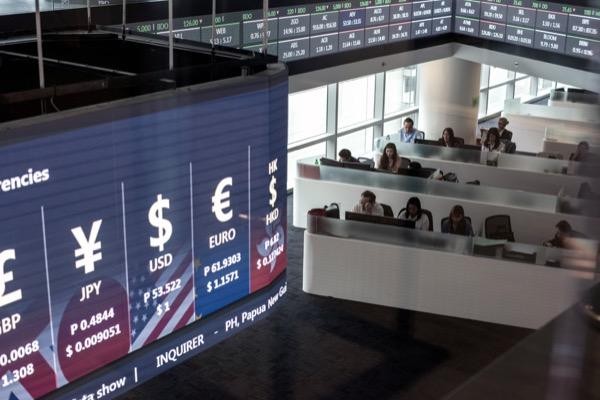
Image source: Major Currency Pairs: What Are the Major Forex Pairs? - IG Group
Major currency pairs are the most traded FX pairs, typically built around the U.S. dollar, and they move mainly on interest-rate expectations, economic data, risk sentiment, trade flows, and commodity prices. The core seven majors are EUR/USD, USD/JPY, GBP/USD, USD/CHF, AUD/USD, USD/CAD, and NZD/USD. 1, 2, 3
Major pairs
These are the pairs traders watch most because they combine large economies and deep liquidity. EUR/USD is the most actively traded major, while the others each reflect a different mix of policy, growth, and global risk appetite. 2, 3, 4
| Pair | Main theme |
|---|---|
| EUR/USD | Fed vs ECB policy gap, growth in the U.S. and euro area 5 |
| USD/JPY | U.S.-Japan yield differentials and safe-haven flows 5 |
| GBP/USD | UK growth, inflation, and BoE expectations 6, 5 |
| USD/CHF | Risk aversion and safe-haven demand for CHF 5 |
| AUD/USD | Global growth, China demand, and commodity prices 5 |
| USD/CAD | Oil prices and Canada-U.S. economic balance 5 |
| NZD/USD | Risk sentiment, rates, and commodity exposure 4, 5 |
What moves them
Exchange rates move because demand for one currency changes relative to the other, so the pair price adjusts continuously. Higher interest rates often support a currency because they can attract capital, while inflation, GDP, and employment data shape expectations for future policy moves. Trade surpluses can lift a currency through stronger external demand, and market expectations matter because surprise central-bank actions often trigger the biggest moves. In stressed markets, investors often rotate toward safe havens like USD, JPY, and CHF, which can move those pairs quickly. 5, 6, 7, 8
How the mechanism works

Pair-by-pair intuition
EUR/USD often trades like a contest between the Federal Reserve and the European Central Bank. USD/JPY is especially sensitive to U.S.-Japan rate gaps and whether markets are seeking safety or risk. AUD/USD and USD/CAD are more tied to commodity cycles, especially metals and oil. GBP/USD tends to react sharply to UK inflation, growth, and Bank of England guidance. 6, 5
Practical takeaway
A useful way to read any major pair is to ask: which central bank is likely to be more hawkish, which economy is growing faster, and is the market in risk-on or risk-off mode. For commodity-linked pairs, also check oil, iron ore, and gold; for safe-haven pairs, watch geopolitical stress and yield spreads. 7, 5, 6
References
-
Major Currency Pairs: What Are the Major Forex Pairs? - IG Group
-
The 7 major forex pairs you need to know before you start trading
-
Currency fluctuations: Definition, causes and their impact | StoneX EN
-
Major Currency Pairs: What Are the Major Forex Pairs? - tastyfx
-
What Are the Best Forex Pairs in Trading? | Dukascopy Bank SA
-
[PDF] What Drives Movements in Exchange Rates? - Bank of Canada